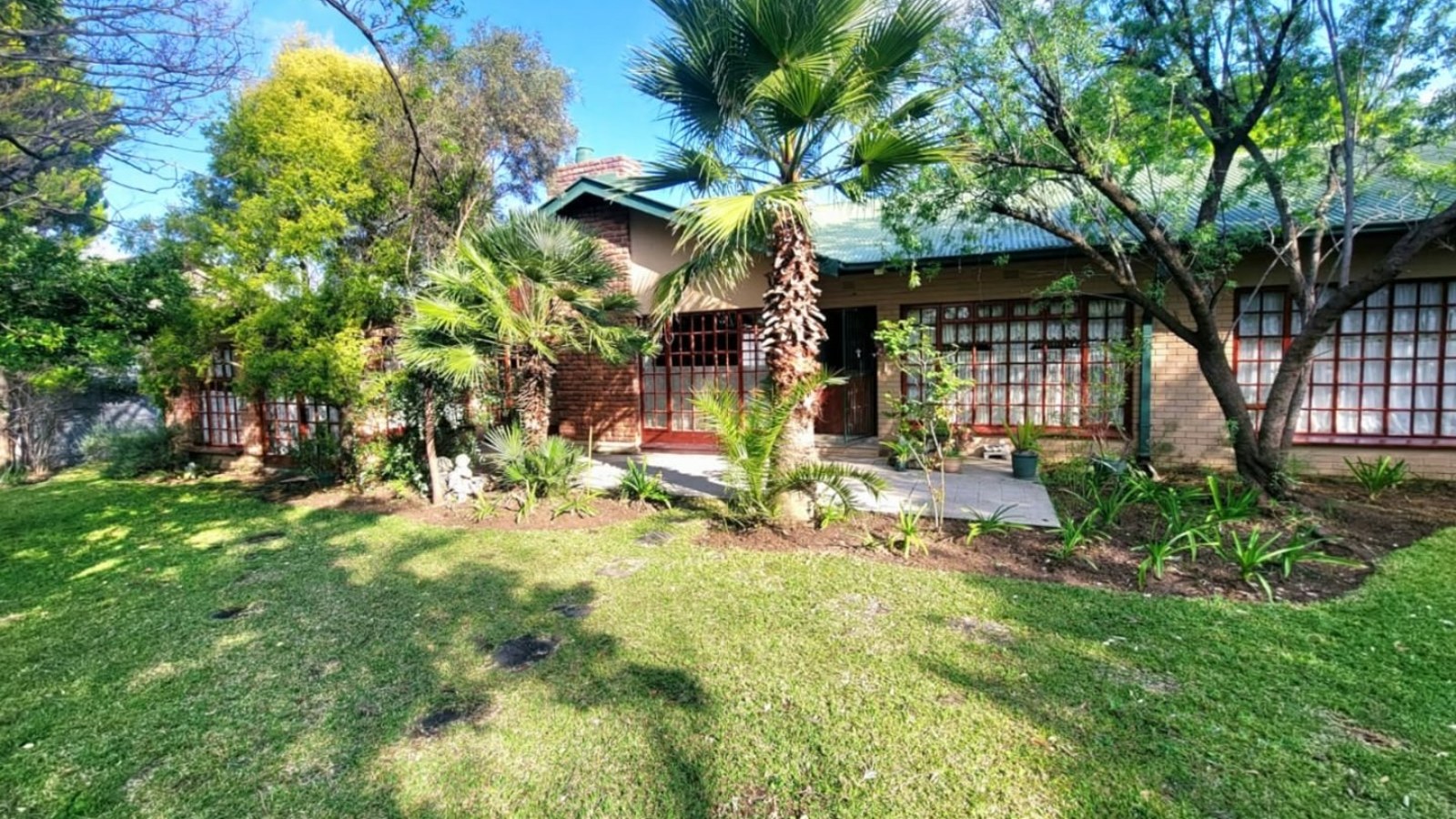
Buying property is a significant investment, and the process involves several legal steps that are crucial to ensuring a smooth transaction. Whether you are a first-time homebuyer or a seasoned investor, understanding the legal aspects of purchasing property in South Africa is essential. This guide walks you through the key legal considerations to keep in mind.
1. Understanding property ownership types
In South Africa, property ownership can take several forms, each with its own legal implications. The most common types include:
- Freehold ownership. The most straightforward form of ownership where the buyer owns the land and any structures on it outright.
- Sectional title ownership. Common in apartment complexes and townhouses, this form involves owning a defined section of a property and sharing ownership of the common property with other owners. Governed by the Sectional Titles Schemes Management Act 8 of 2011.
- Leasehold ownership. Leasing the land from the state or a private entity for a specified period, typically up to 99 years.
Understanding the type of ownership you are entering into is crucial, as it determines your rights and obligations on transfer, on resale and through the holding period.
2. The role of a conveyancer
A conveyancer is a specialised attorney who handles the legal aspects of transferring property ownership from the seller to the buyer. In South Africa, the conveyancer is responsible for:
- Drafting and reviewing the sale agreement.
- Conducting a title deed search to ensure there are no legal issues with the property.
- Preparing the transfer documents.
- Liaising with the Deeds Office to register the transfer of ownership under the Deeds Registries Act 47 of 1937.
In South African residential practice the seller appoints the transfer attorney. The buyer pays the transfer attorney fees but does not choose the firm. The buyer is, however, entitled to consult their own attorney to oversee the process at their own cost.
3. Title deed and transfer of ownership
The title deed is a legal document that proves ownership of the property. Before purchasing, it is essential to conduct a title deed search to confirm the current owner and check for any encumbrances, such as bonds or servitudes, that could affect the property.
Once the sale is finalised, the conveyancer will prepare the transfer documents, which both the buyer and seller must sign. These documents are then lodged at the Deeds Office, where the new ownership is registered and the title deed is updated to reflect the buyer as the new owner.
4. Transfer duty and other costs
Transfer duty is a tax payable to the South African Revenue Service (SARS) when buying property under the Transfer Duty Act 40 of 1949. The amount is calculated on the SARS sliding scale based on the purchase price (the first R1.21 million is exempt under the 2025/2026 scale) and must be paid before the transfer of ownership can register. The buyer is responsible for paying the transfer duty, along with other costs such as:
- Conveyancing fees. Paid to the transfer attorney for handling the legal process.
- Deeds Office fees. Charged for registering the transfer.
- Bond registration costs. If you are taking out a mortgage, there will be additional fees for registering the bond.
- Bank initiation fee. Typically around R6,037 on a new bond.
Understanding these costs upfront can help you budget appropriately and avoid any surprises. The Africa Estate transfer and bond costs calculator on the homepage gives a line-item estimate at the current SARS 2025/2026 scale.
5. Bond registration and mortgage considerations
If you are financing the property through a mortgage, the bond must be registered with the Deeds Office. This involves additional legal work, which is typically handled by a bond attorney appointed by the lender. The bond registration process includes:
- Drafting the bond documents.
- Ensuring the loan conditions are met.
- Registering the bond against the property title at the Deeds Office.
It is essential to review your mortgage agreement carefully and ensure you understand the terms, including interest rates, repayment periods, and any penalties for early repayment.
6. Special considerations for foreign buyers
Foreigners are allowed to purchase property in South Africa, but there are certain legal requirements they must meet:
- FICA compliance. All buyers, including foreigners, must comply with the Financial Intelligence Centre Act 38 of 2001 by providing proof of identity, residential address and source of funds.
- Loan-to-value limits. Non-resident buyers are typically limited to a 50% loan-to-value bond from local banks, with the balance funded in cash from a Reserve Bank approved source.
- Capital gains tax. Non-residents are subject to capital gains tax on the sale of South African property, with a SARS-administered withholding mechanism at sale.
- Exchange control regulations. Foreign buyers may be subject to certain restrictions under South Africa's exchange control regulations, especially when repatriating funds out of the country.
Foreign buyers are advised to consult with a legal expert to navigate these complexities, and to have FICA documentation ready before signing an offer.
7. Finalising the purchase
After all the legal documents have been signed, fees paid, and the Deeds Office has registered the transfer, the process is complete. The buyer will receive the updated title deed, and ownership of the property officially changes hands.
Before taking possession of the property, it is wise to conduct a final inspection to ensure that everything is in order as per the sale agreement. Any patent defects that should have been disclosed but were not should be raised with the conveyancer immediately.
In closing
The legal process of buying property in South Africa can be complex, but understanding the steps involved can help you navigate it with confidence. By engaging the services of a qualified conveyancer and being aware of your legal obligations, you can ensure a smooth and successful property transaction.
Related Africa Estate guidance
- How to buy a house in South Africa: the full eight-stage buyer journey.
- The residential transfer process explained: the conveyancer view of the seven-stage transfer.
- Transfer duty for residential property: the 2025/2026 SARS scale with worked examples.
- Can foreigners buy farms in South Africa?: the agricultural counterpart of the foreign-buyer considerations.
- Residential property glossary: every legal term used here, defined.
Considering a purchase and want a named specialist on your side from offer signature through to registration? Contact Africa Estate. We work alongside trusted conveyancers and bond originators across the residential and agricultural verticals.
This article is informational and does not constitute legal or tax advice. The Transfer Duty Act 40 of 1949, the Deeds Registries Act 47 of 1937, the Financial Intelligence Centre Act 38 of 2001 and the Exchange Control Regulations govern South African property transactions. Always consult a qualified conveyancer and tax practitioner before signing an offer to purchase.
Tags:legal · buying · conveyancing · transfer-duty · fica · foreign-buyers · sectional-title · freehold · south-africa · sars
Share this article