Buying property in South Africa involves more paperwork than most people expect, and the legal side is where deals slow down or fall over. I've watched buyers get a fright when they realise transfer duty, conveyancing fees and FICA checks all land on their side of the deal, on top of the deposit. None of it is complicated once you know the order things happen in - from choosing the right ownership type through to the day the Deeds Office actually registers your name on the title deed.
What Types of Property Ownership Exist in South Africa?
Most buyers choose between three ownership structures, and each carries different rights and obligations.
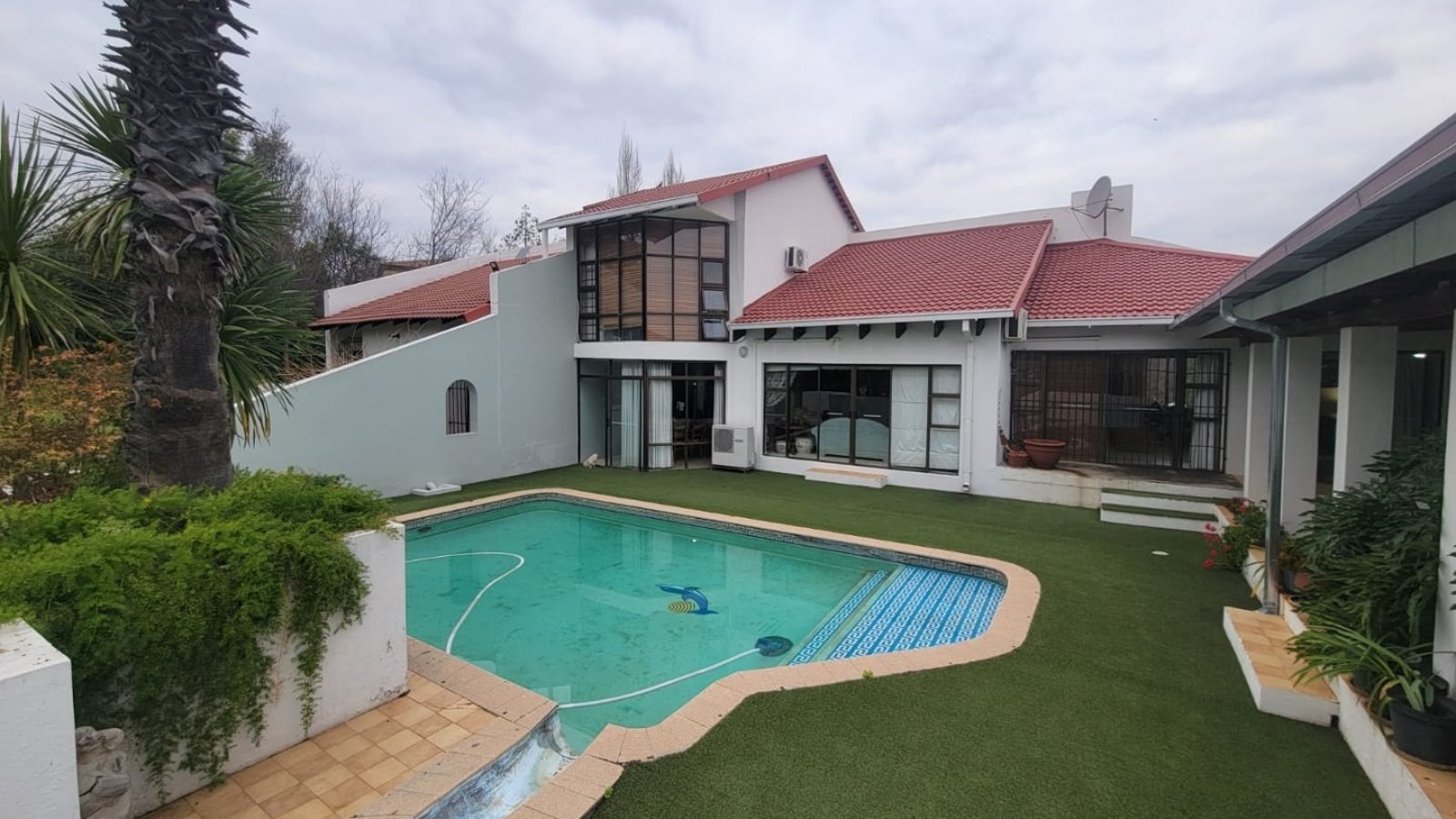
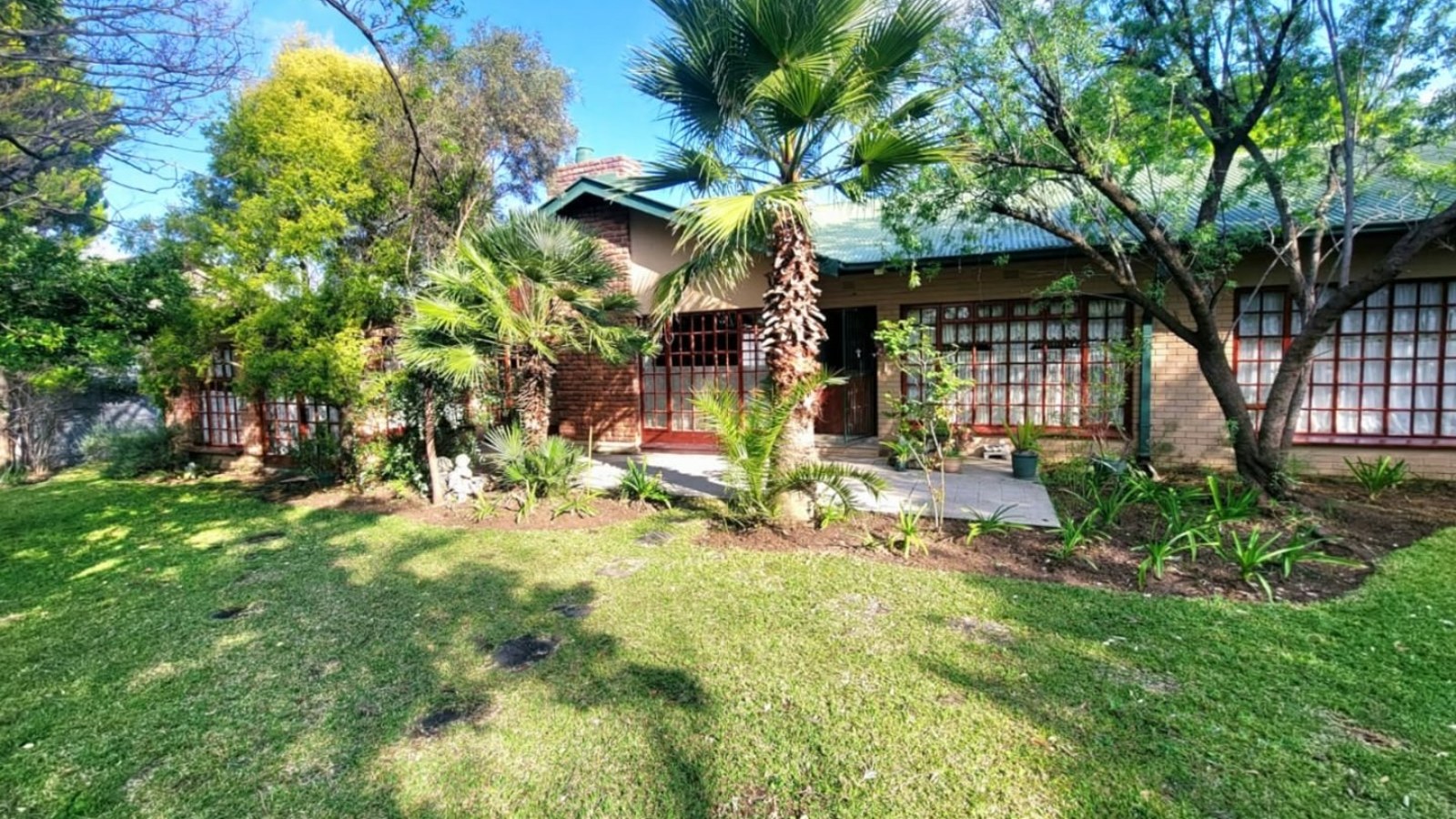
- Freehold ownership: you own the land and everything built on it, outright - standard for a typical suburban house.
- Sectional title ownership: common in apartment blocks and townhouses. You own your unit and share common areas with other owners in the body corporate, plus monthly levies.
- Leasehold ownership: you lease the land, usually from the state, for a term up to 99 years. Less common, but it turns up on certain coastal and state-owned parcels.
Knowing which type applies determines your rights and ongoing obligations, so confirm it in writing before you make an offer.
What Does a Conveyancer Do When You're Buying Property in South Africa?
A conveyancer is the attorney who handles the legal transfer of ownership from seller to buyer. Their job covers four things: drafting and reviewing the sale agreement, running a title deed search for existing legal issues, preparing the transfer documents, and liaising with the Deeds Office to get the transfer registered. The seller usually appoints the conveyancer, but you're entitled to bring in your own attorney to oversee the process, at your own cost.
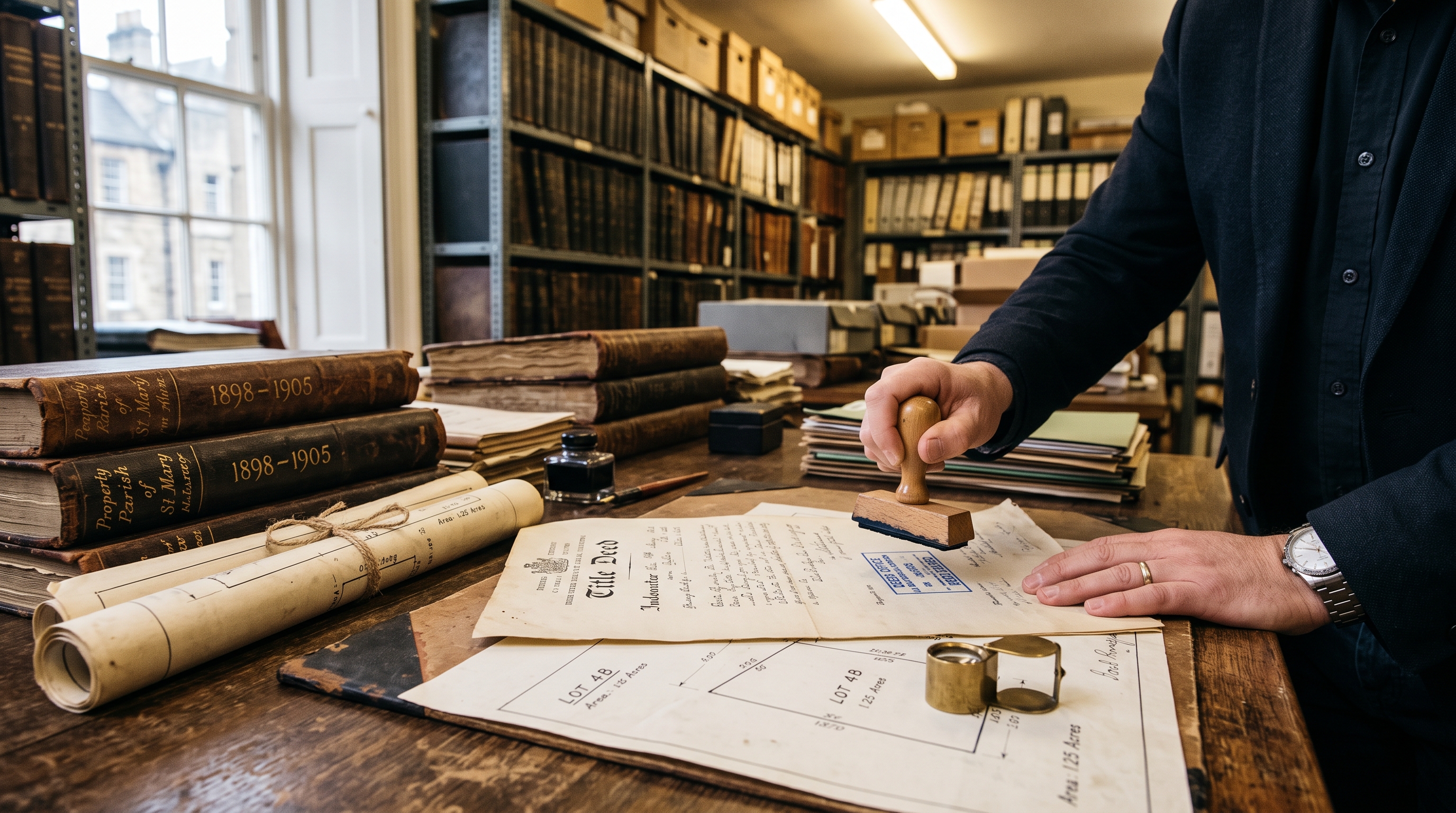
What Is a Title Deed, and How Does Ownership Actually Transfer?
The title deed is the legal document proving who owns the property. Before you buy, your conveyancer runs a title deed search to confirm the owner and check for encumbrances such as bonds or servitudes. Once the sale is finalised, both parties sign the transfer documents, which go to the Deeds Office. Registration is what actually moves ownership - the title deed updates in your name only once that's done, not the moment you sign.
How Much Transfer Duty Will You Pay When Buying Property in South Africa?
Transfer duty is the tax SARS charges on the purchase, calculated on the purchase price. Under the current SARS threshold, properties valued at R1,210,000 or below attract no transfer duty at all. Above that, duty runs on a sliding scale from 3% up to 13% on the portion above roughly R13.3 million. The buyer pays this, and it must be settled before the transfer can be registered. On top of transfer duty, budget for:
- Conveyancing fees, paid to the attorney handling the legal process
- Deeds Office fees, charged for registering the transfer
- Bond registration costs, if you're taking out a mortgage
Rates are confirmed annually in the Budget Speech, so check the current brackets with SARS or your conveyancer before you make an offer.
What Happens During Bond Registration?
If you're financing through a mortgage, the bond itself must also be registered at the Deeds Office - separate from the transfer, usually handled by a bond attorney appointed by your lender. This covers drafting the bond documents, confirming loan conditions are met, and registering the bond against the property's title. Read your mortgage agreement closely: interest rate, repayment period and any early-settlement penalty affect what the loan costs over time.
Can Foreigners Buy Property in South Africa?
Yes, foreign nationals can buy property here, but three extra legal requirements apply. FICA compliance means proving your identity and residence, same as any local buyer. Non-residents are also liable for Capital Gains Tax when they eventually sell. And moving proceeds out of the country falls under exchange control regulations, so get advice from a specialist before you sign, not after paying a deposit.
How Do You Finalise a Property Purchase?
Once every legal document is signed, the transfer duty and fees are paid, and the Deeds Office has registered the transfer, the purchase is complete - you'll receive the updated title deed showing you as the new owner. Before taking occupation, do a final walk-through to confirm the property matches what was agreed in the sale agreement, fixtures included.
Frequently Asked Questions
How long does a property transfer take in South Africa? Most transfers take around eight to twelve weeks from the date the offer is accepted to registration at the Deeds Office. Bond approval, compliance certificates and the municipal rates clearance certificate are usually what determine whether it runs faster or slower than that.
Who chooses the conveyancer, the buyer or the seller? The seller usually appoints the conveyancer, since it's often written into the sale agreement. That said, you're entitled to appoint your own attorney to review the transfer documents and protect your interests, at your own cost, alongside the seller's conveyancer.
Do I pay transfer duty if I'm buying from a developer? Not usually. If the seller is a VAT-registered developer, VAT applies instead of transfer duty, and it's typically built into the advertised price. You can't be charged both on the same transaction, so confirm which applies before you sign anything.
What does a title deed search actually check for? It confirms who currently owns the property and flags any bonds, servitudes or restrictive conditions registered against it. Your conveyancer reviews these before transfer proceeds, and will explain what any existing conditions mean for you as the new owner before you're asked to sign.
Do foreign buyers pay higher transfer duty than South Africans? No, the same sliding-scale transfer duty rates apply regardless of nationality. What differs for foreign buyers is FICA documentation, Capital Gains Tax on a future sale, and exchange control rules if you want to move sale proceeds out of South Africa.
Buying property in South Africa follows a clear legal order - ownership type, conveyancer, title deed search, transfer duty, bond registration, and finally registration at the Deeds Office. Once you understand what happens at each stage, there aren't many surprises left, and you'll know exactly what you're paying and when.
If you're planning to buy in Bloemfontein or anywhere in the Free State, contact me directly and I'll walk you through what your specific transaction will involve.
Tags:buying property South Africa · transfer duty · conveyancing · title deed · sectional title · foreign buyers property · Bloemfontein property · Free State real estate
Share this article