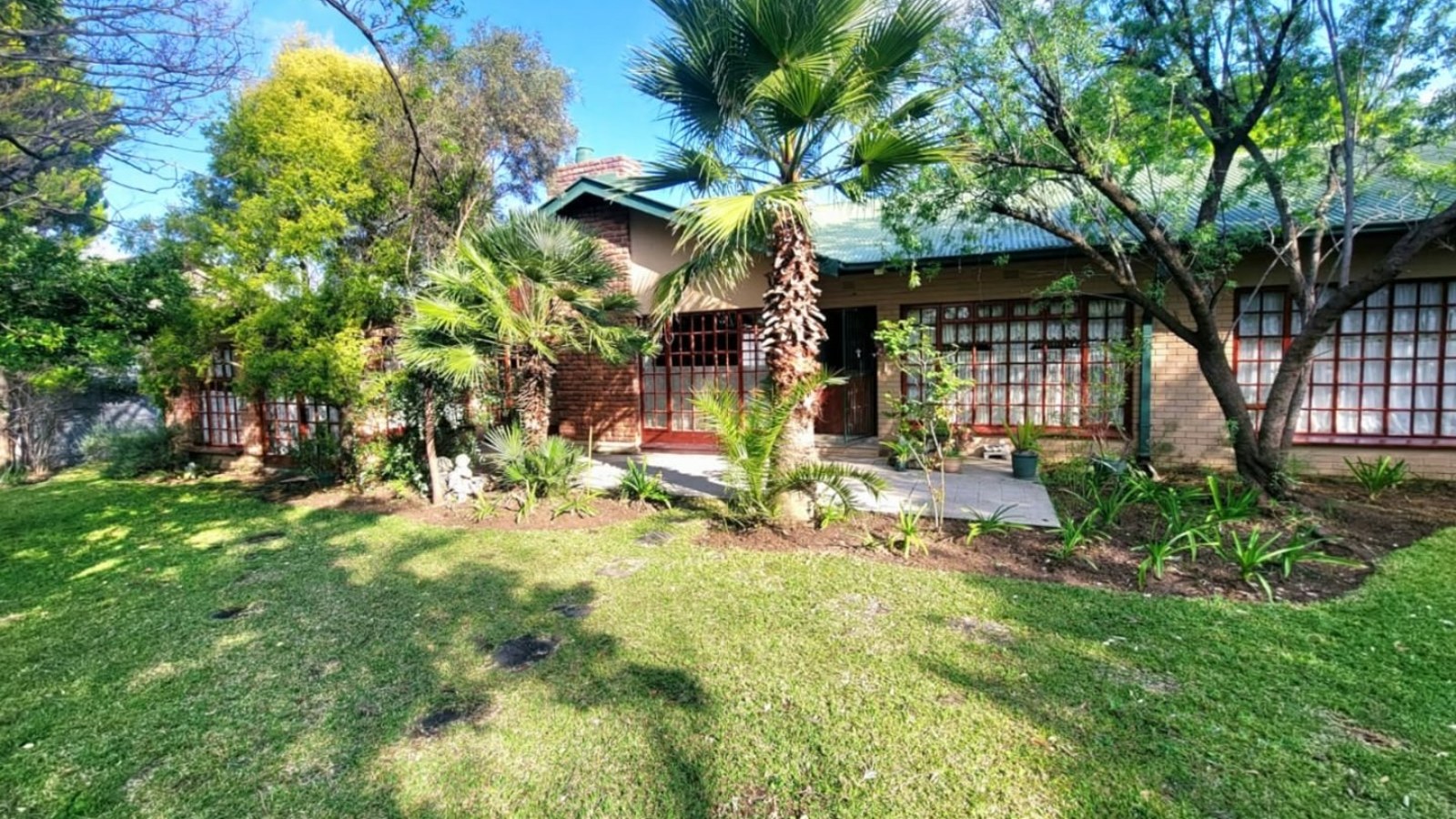
Sales in Execution vs. Repossessions
Both terms are related to what happens when homeowners can't pay their mortgages, but they occur at different stages and have different ownership implications.
Sales in Execution
1. Starting Point: This happens when a homeowner can't keep up with their mortgage payments. The bank takes legal steps to recover the owed money.
2. Legal Action: The bank gets a court order to take the property.
3. Public Auction: The court's sheriff sells the property at a public auction, known as a "sale in execution."
4. Auction Results:
• If a third party buys the property, the money from the sale goes towards paying off the homeowner's debt.
• If the bids are too low to cover the debt, the bank can buy the property.
Repossessions (Properties in Possession)
1. After the Auction: If the property doesn't sell for enough money at the auction, the bank can take ownership. Now, it's a "repossessed" property.
2. Bank Ownership: The bank becomes the official owner of the property.
3. Selling the Property: The bank then tries to sell the repossessed property, either by:
• Advertising it themselves.
• Hiring real estate agents to sell it.
Knowing these differences helps homeowners who are struggling with payments and buyers interested in these types of properties.
Share this article